Sparks Community Guide
Reno-Sparks Metro
Sparks Home Electrical Planning Guide
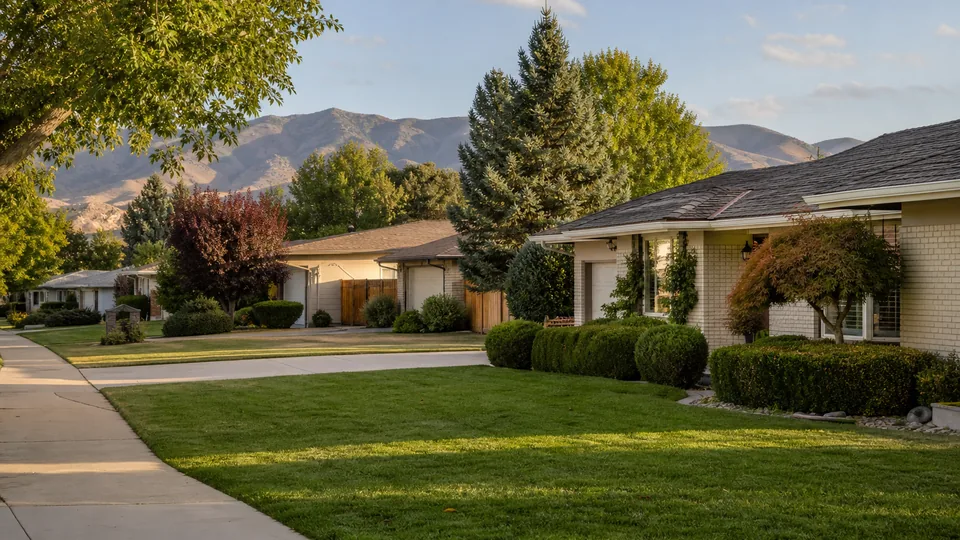
Sparks contains established residential blocks, infill, and newer development, so electrical needs vary by address and renovation history. A conditional, evidence-based review is more accurate than treating the city's housing as one era.
Community Overview
What homeowners in Sparks should know first
Sparks homeowners may be planning around an older panel, a previous remodel, a garage workspace, or simply new equipment that changes household demand. The visible age of the house does not establish the condition of its wiring. A useful evaluation documents the service, panel, grounding, branch circuits, protection devices, and accessible alterations before recommending repair or replacement.
The City of Sparks Building and Safety Division explains that even smaller improvement projects can require permits and that electrical additions or relocations are among the scopes homeowners should check. Its process uses an online customer portal. Confirming the permit path early is especially useful when a project combines panel work, new circuits, a converted room, exterior equipment, or association review.
Housing Context
Matching electrical work to Sparks housing and renovation history
Some Sparks houses were built during periods when single-strand aluminum branch-circuit wiring was used nationally, but a construction date does not prove that material is present. The U.S. Consumer Product Safety Commission recommends evaluation by a qualified electrician when aluminum wiring is known or suspected and warns untrained residents not to inspect wiring themselves.
Other properties may have modern copper wiring but limited capacity, worn devices, incomplete labels, or additions from different renovation phases. The scope should follow observed evidence. Panel replacement does not automatically correct branch-circuit issues, and adding receptacles does not resolve an overloaded service; each part of the system has a different role in the plan.
Address-Specific Priorities
Electrical needs worth evaluating in Sparks
These are planning prompts, not assumptions about every property. A licensed electrician should confirm conditions at the address before recommending work.
Evaluate older wiring without assuming a defect
When records or visible markings suggest older wiring materials, a qualified electrician can identify what is present and explain recognized repair options based on the actual connections.
Do not remove devices or panel covers to identify conductor material. The assessment can use records, accessible markings, device compatibility, connection condition, and other non-destructive observations appropriate to the property.
If single-strand aluminum branch wiring is confirmed, ask whether the proposal follows current manufacturer instructions and recognized safety guidance. A written scope should identify the specific connections included and any inaccessible limitations.
Separate panel capacity from breaker troubleshooting
Repeated tripping may reflect a circuit load, equipment fault, damaged component, or other condition, while a planned new load raises a separate whole-service capacity question.
Record which breaker trips, what was operating, and whether heat, odor, sound, or discoloration was noticed. Stop using affected equipment and seek prompt professional evaluation when signs of overheating or arcing are present.
For a panel or service proposal, request a load calculation and an explanation of equipment condition, available spaces, grounding, and the intended future loads. Replacement should be tied to findings and project goals.
Plan garage and exterior circuits for their real use
Garages, patios, and yards often accumulate tools, freezers, chargers, lighting, or seasonal equipment that should not depend on a chain of temporary cords.
List simultaneous loads and their locations, then review dedicated-circuit needs, receptacle placement, shock protection, weather ratings, and physical protection. Vehicle charging requires its own equipment-specific assessment.
Where trenching or exterior mounting is proposed, coordinate property lines, irrigation, hardscape, and any association requirements before work begins. The electrical permit remains a separate city process.
Before the Site Visit
A practical Sparks homeowner checklist
-
Find the home's construction and permit records without inferring wiring material from age alone.
-
Log breaker trips by circuit, equipment in use, time, and any heat, odor, or noise.
-
Do not open devices or energized panels to identify conductor material yourself.
-
List garage and exterior equipment that currently depends on temporary cords or adapters.
-
Ask the contractor which City of Sparks permit documents are included in the scope.
-
Keep inspection results, equipment labels, and an updated panel directory after completion.
Local Planning FAQ
Five questions from Sparks homeowners
Project details vary by property, equipment, jurisdiction, and the condition found during an assessment.
Do mid-century Sparks homes necessarily have aluminum wiring?
No. Aluminum branch wiring was used nationally during a defined period, but age alone cannot identify a home's conductors. Records and a qualified electrical assessment are needed. Homeowners should not remove devices or panel covers to investigate energized wiring.
What should I do if an outlet plate feels warm or looks discolored?
Stop using the affected outlet and arrange a prompt professional evaluation. Heat or discoloration can have more than one cause, and the circuit should not be diagnosed by repeatedly testing it with appliances or opening the device without proper training.
Does replacing the panel update the wiring in the walls?
No. A panel project changes the distribution equipment described in its scope; branch circuits remain separate unless they are specifically evaluated and included. Ask the electrician to explain which existing circuits connect to the new equipment and any corrections being proposed.
When should I contact the City of Sparks about a permit?
Check before work begins whenever the project adds or relocates electrical equipment, changes service or panel equipment, or is part of a larger remodel. The city's Building and Safety Division publishes permit information and routes applications through its online portal.
Can I add workshop outlets to an existing garage circuit?
Possibly, but first identify the tools, simultaneous loads, existing circuit rating, protection, and wiring condition. High-draw or fixed equipment may need dedicated circuits. A load review can show whether extending the existing circuit is appropriate.
Keep Exploring
Related Northern Nevada community guides
Compare housing, permitting, resilience, and electrical planning considerations across nearby communities.



Research Notes
Sources for this community guide
Published by Aspen Home Services
Methodology: this guide combines the cited public jurisdiction and safety sources with address-specific planning questions. It does not diagnose a property without an on-site assessment.
NV License #0094927 · Aspen Home Services on Google
Ready for an Address-Specific Plan?
Bring your Sparks electrical questions to Aspen.
Request a free estimate or call to discuss the property, planned equipment, and the next practical step.