Sun Valley Community Guide
North Valleys
Sun Valley Electrical Planning Guide
Sun Valley includes manufactured and site-built housing, and those property types can involve different equipment boundaries and inspection responsibilities. Identifying the structure and jurisdiction comes before choosing an electrical scope.
Community Overview
What homeowners in Sun Valley should know first
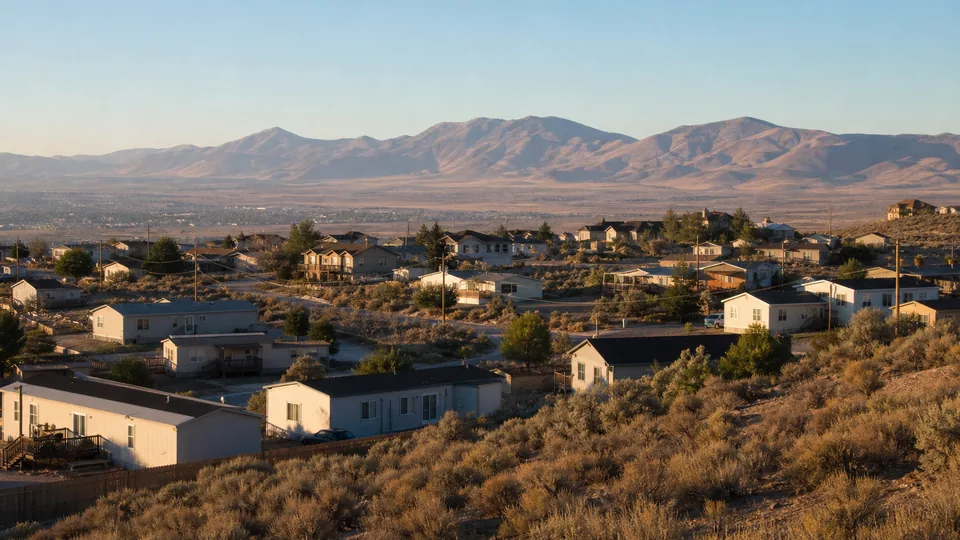
Washoe County maintains specific guidance for mobile and manufactured homes. It explains that the county permits and inspects site work and utility supply lines serving a unit, while the Nevada Manufactured Housing Division handles plan review and inspections within manufactured structures. That division of responsibility makes project scoping especially important for service equipment, replacement units, additions, and repairs near the connection point.
Site-built homes follow the county's applicable building-permit process, but they still vary in age, equipment, and prior alterations. In either housing type, homeowners benefit from an assessment that identifies who owns and reviews each part of the system, what equipment is actually installed, and whether the proposed work affects the service, feeder, interior circuits, or a detached structure.
Housing Context
Start with structure type, service boundary, and project jurisdiction
A manufactured home's electrical system may involve utility equipment, an exterior disconnect or pedestal, a feeder to the unit, interior distribution, and owner-added structures. These parts should not be treated as one undifferentiated system. The contractor should identify the work boundary in writing and confirm which agency reviews each portion before the application is submitted.
Sun Valley's high-desert setting also puts exterior equipment in sun, wind, dust, and seasonal weather. Exposure does not mean equipment is defective, but damaged covers, loose enclosures, corrosion, water entry, or physical impact deserve evaluation. Any correction should use listed components and installation methods appropriate to the observed location.
Address-Specific Priorities
Electrical needs worth evaluating in Sun Valley
These are planning prompts, not assumptions about every property. A licensed electrician should confirm conditions at the address before recommending work.
Coordinate service and feeder work for manufactured homes
Service entrances, pedestals, disconnects, feeders, and interior panels may cross agency and ownership boundaries, so the scope should define each component before repair or replacement.
The electrician can identify equipment ratings, conductor routes, disconnect locations, grounding details, visible damage, and the point where the supply enters the home. The proposal should state which equipment is included and which authority is expected to inspect it.
Do not assume a pedestal issue requires interior work or that an interior problem begins outside. Testing and visual evidence should guide the diagnosis, with utility coordination added when utility-owned equipment is involved.
Assess added rooms, sheds, and workshop loads
Enclosed porches, additions, detached sheds, and work areas can introduce circuits or feeders that were installed at a different time from the original residence.
Review permit records, panel labels, junctions, wiring routes, and the equipment used in each space. Extension cords should not become permanent building wiring, and fixed high-draw equipment may need a dedicated circuit.
For detached structures, account for distance, burial, physical protection, grounding, and future use. A small lighting need and a tool-filled workshop require different feeder planning.
Improve exterior protection and clear labeling
Weather-exposed receptacles, service equipment, and disconnects should remain intact, accessible, and labeled so residents and responders can identify circuits without guesswork.
Inspect covers and enclosures from the outside for cracking, gaps, impact, or missing labels. Avoid opening utility seals or energized equipment, and report leaning or damaged service equipment for professional review.
After work, request a durable panel directory and labels for separate structures, pumps, or large equipment. Clear documentation is particularly useful where several electrical components are located outside the residence.
Before the Site Visit
A practical Sun Valley homeowner checklist
-
Confirm whether the residence is manufactured, mobile, modular, or site-built before scoping work.
-
Identify the utility meter, service disconnect, feeder route, and interior panel without opening them.
-
Gather permits for additions, replacement units, sheds, garages, and past service changes.
-
List fixed equipment and detached structures served from the property's electrical system.
-
Ask which work Washoe County and the Nevada Manufactured Housing Division each review.
-
Photograph exterior damage from a safe distance and keep clear access to service equipment.
Local Planning FAQ
Five questions from Sun Valley homeowners
Project details vary by property, equipment, jurisdiction, and the condition found during an assessment.
Who inspects electrical work on a manufactured home in Sun Valley?
Washoe County states that it permits and inspects site work and utility supply lines to the unit, while the Nevada Manufactured Housing Division performs plan review and inspections within manufactured structures. Confirm the boundary for the specific project before applying.
Is the exterior pedestal part of the home's interior panel?
They are separate components even when both are part of the overall supply path. Ownership and inspection responsibility can vary. An electrician should identify the meter, disconnect, feeder, and interior distribution equipment before defining which item needs work.
Can a detached shed use an extension cord for permanent power?
An extension cord is not a substitute for permanent building wiring. If the shed needs ongoing power, ask about a properly designed circuit or feeder that accounts for load, distance, burial or support, grounding, weather exposure, and permit requirements.
Does exterior weather exposure mean the service equipment must be replaced?
No. Outdoor-rated equipment is designed for exterior use, and exposure alone is not a defect. Replacement or repair should follow an assessment of rating, condition, damage, water entry, mounting, connections, and the project's capacity needs.
What information helps scope a Sun Valley electrical estimate?
Provide the structure type, photos of labels and exterior equipment, permit history, a list of additions and detached structures, symptoms, and planned loads. The written estimate should identify equipment boundaries, agency assumptions, and excluded inaccessible areas.
Keep Exploring
Related Northern Nevada community guides
Compare housing, permitting, resilience, and electrical planning considerations across nearby communities.



Research Notes
Sources for this community guide
Published by Aspen Home Services
Methodology: this guide combines the cited public jurisdiction and safety sources with address-specific planning questions. It does not diagnose a property without an on-site assessment.
NV License #0094927 · Aspen Home Services on Google
Ready for an Address-Specific Plan?
Bring your Sun Valley electrical questions to Aspen.
Request a free estimate or call to discuss the property, planned equipment, and the next practical step.